
The Ladder of Attention
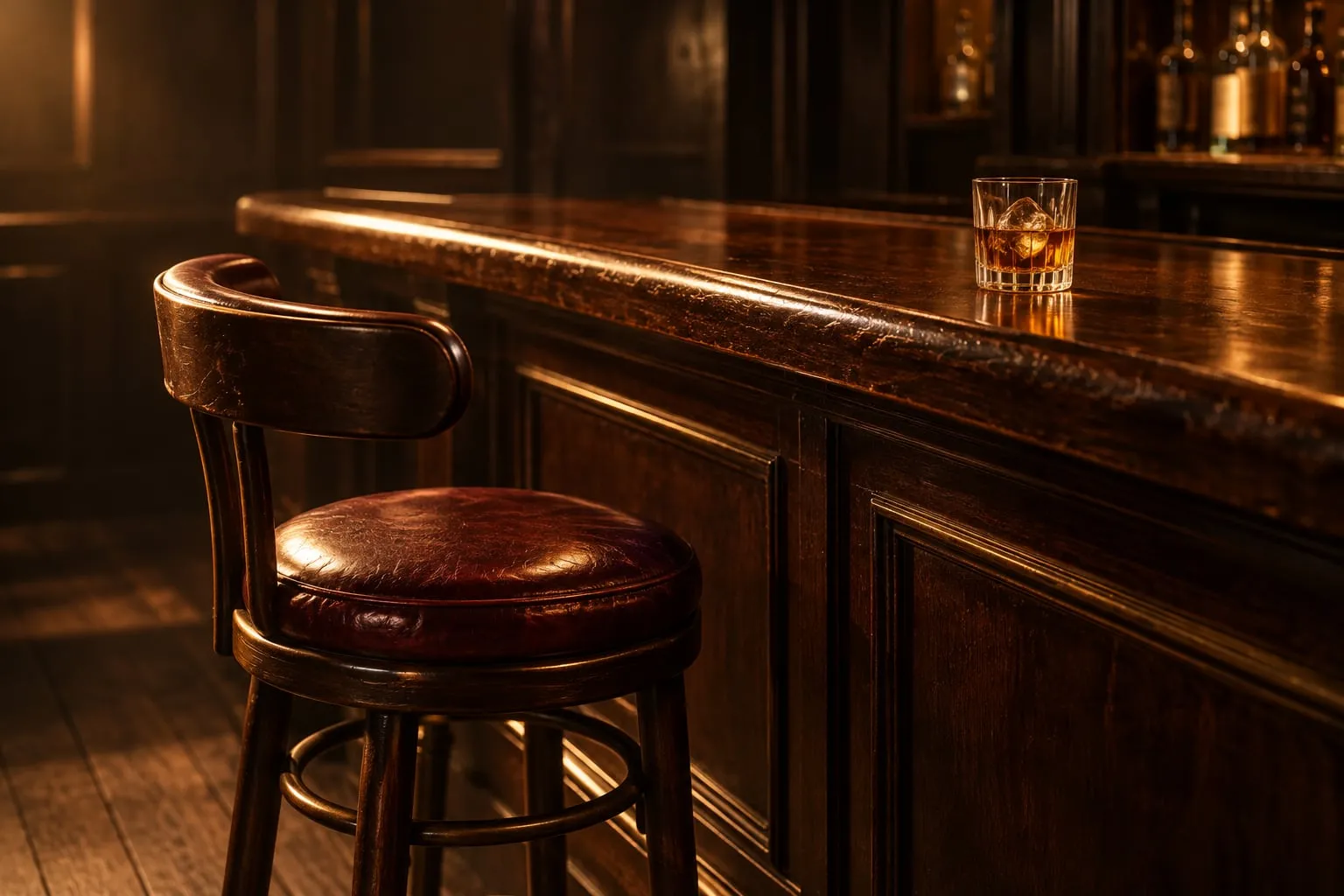
When Pistone became Donnie Brasco, he had a list of Manhattan bars and restaurants where fences with Mafia connections hung out. He didn’t push to meet anyone. He didn’t throw money around. He came in, sat down, had a drink or a meal and left. Week after week, until the bartenders started nodding to him.
His explanation is simple. The plan, Pistone writes, was to stay visible without overdoing it, so they’d see he wasn’t just passing through. In that world, he says, people throw money around only when they want attention, and always for a reason. Donnie didn’t want anyone to see his reason. He wanted them to get used to him. Sooner or later, he felt, the right people would come to him on their own.
Notice: he didn’t shout. People remember a loudmouth right away. But they remember him so they can steer clear.
A Familiar Face
In 1968 the psychologist Robert Zajonc tested a simple thing. He showed people nonsense words, squiggles made to look like Chinese characters, photos of strangers’ faces. One flashed up once, another twenty-five times. Then he asked which they liked better. They liked the ones they’d seen more often.
That was how Pistone won them over, not with flash. To people who trust no one, a new face is a question. A face that has sat at the bar for a month is almost an answer.
This is the rung people skip most often. They want to be noticed today. But being noticed and being remembered are two different things.
Four Rungs and One Caveat
In 1898 an American adman, Elmo Lewis, wrote down the order salesmen have been taught ever since. Attention, interest, desire, action. From the first letters, AIDA.
In the main, the order is right: you can’t ask anything of a man who hasn’t noticed you yet. But people don’t walk it like a corridor. In 1999 Demetrios Vakratsas and Tim Ambler went through some two hundred and fifty studies of how advertising works. They found no strict ladder. Sometimes a man buys first and gets interested later. So the rungs are a way to check yourself, not a map of someone else’s head.
The Opening Line
In a conversation, the way in is the opening line. On paper, it’s the headline. David Ogilvy reckoned five times as many people read the headline as read the copy under it. If the headline didn’t sell, eighty cents of your dollar went down the drain.
Hence the temptation: promise more up top than there is below. That works exactly once. The second time, nobody will even glance at your headline. The opening line borrows. Everything after it pays the debt.
Leaving Something Unsaid
Attention is a short-term loan. If nothing after the first line was worth lifting his head for, a man lowers it again. And he won’t lift it a second time.
Pistone held on to it another way. When Marty the bartender started asking where Donnie was from and what he did, Donnie dodged: a bit of everything, Miami one time, California the next. You don’t give straight answers to questions like that, Pistone explains. In that world a straight answer would have looked suspicious. A vague one left a question people wanted to come back to.
In the office, fog does harm: a client needs clarity. But the idea holds. Don’t unload everything in the first minute. Leave the man a reason to ask again.
The Last Step
Desire isn’t woken with words but with a trial: let him hold it, taste it, see it work. That’s a conversation for another day.
And at the top, a man trips over one question: what do I actually do now, with my hands? Answer it before he asks. The one who doesn’t know where to sign goes off to think it over. The one who’s afraid of losing goes off for good.
How the Don Found the Broken Rung
In the window of the Don’s first laundry hung a sign: “Shirt by Tonight.” Nothing else. People came in to ask if it was true. They were told: “Bring it before lunch, pick it up at five.” Whoever brought one got it back at five, pressed, wrapped in paper. The ticket said: “If we’re late, the wash is free.”
Lucia wrote in the order book not just the orders but the people who asked and left. One day the Don saw it: just as many asking, fewer bringing. He didn’t touch the sign. He didn’t order any advertisements. He came in one morning, unannounced, and stood at the front counter himself. By lunch he understood. The new counter girl talked to people without looking up from her tickets. The sign was working. The one breaking down was the person behind the counter.
The Bottom Line
When the business stalls, don’t repaint the sign. Find the spot where people turn round, and stand there yourself.
And when it’s you being led up the ladder, know its rungs by sight. A loud headline, something left unsaid, a free trial, “today only”—they’re all rungs, and there’s no sin in them if there’s something good at the top. Be suspicious of something else: being led too smoothly and too fast. Then stop on any rung and look where it goes. Some ladders lead down to the cellar.